Help for Reactive Dogs: A Practical Guide
Quick Summary
Help for reactive dogs involves reading your dog's body language, redirecting their attention before they react, and managing distance to triggers whilst building impulse control through consistent, relationship-based training. Professional one-to-one training tailored to your dog's specific triggers and history can transform reactive behaviour when other approaches haven't worked.
Reactivity is an anxious or frustrated response to triggers like other dogs or sudden movements, shown through lunging or barking, not aggression.
Intervene at early warning signs like stiffened posture or fixed stares, before your dog lunges or barks.
Loose-lead walking keeps your dog tuned into you rather than scanning for threats, making reactive moments easier to manage.
One-to-one training addresses root causes and teaches you to read body language and redirect before reactivity escalates.
Table of Contents
Understanding Reactivity in Dogs
Reactive Dog Training: Practical Techniques That Work
One-to-One Dog Training for Reactive Behaviour
Frequently Asked Questions
**
Understanding Reactivity in Dogs
Reactivity is an overexcited or defensive response to triggers, other dogs, people, vehicles or sudden movements, shown through lunging, barking or pulling on the lead. It isn't aggression: a reactive dog is overwhelmed by anxiety or frustration, not trying to hurt anyone.

German Shepherds are particularly prone to reactivity thanks to their protective instincts and keen environmental awareness, and each unresolved reaction reinforces the pattern, which is why help for reactive dogs matters. Consistent, relationship-based training helps your dog favour calm observation over outbursts.
Reactive Dog Training: Practical Techniques That Work
Effective reactive dog training starts with reading your dog's body language: a stiffened posture, forward-focused ears, a tightened lead or a fixed stare all come before a lunge or bark. Intervene at these moments, not after the explosion.
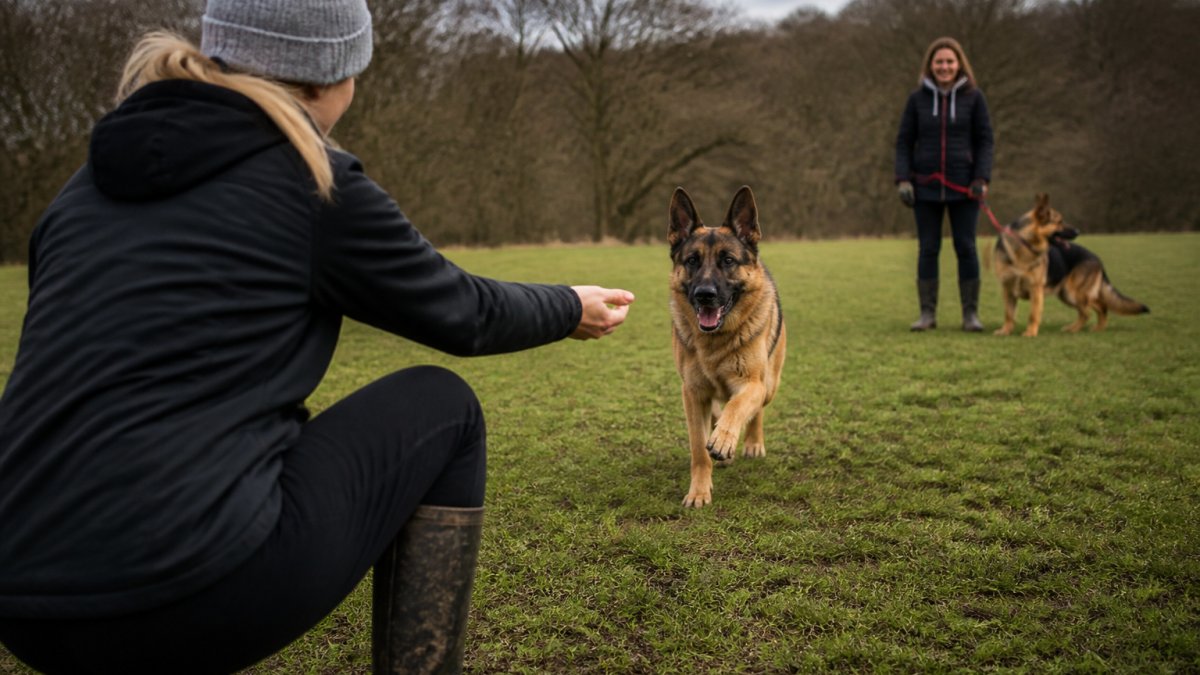
Try "engage and redirect": when your dog fixates on a trigger, gently redirect their attention back to you with a familiar cue or a simple sit. Manage distance too, work where your dog stays calm, then gradually reduce it as impulse control improves. This is strategic management, not avoidance.
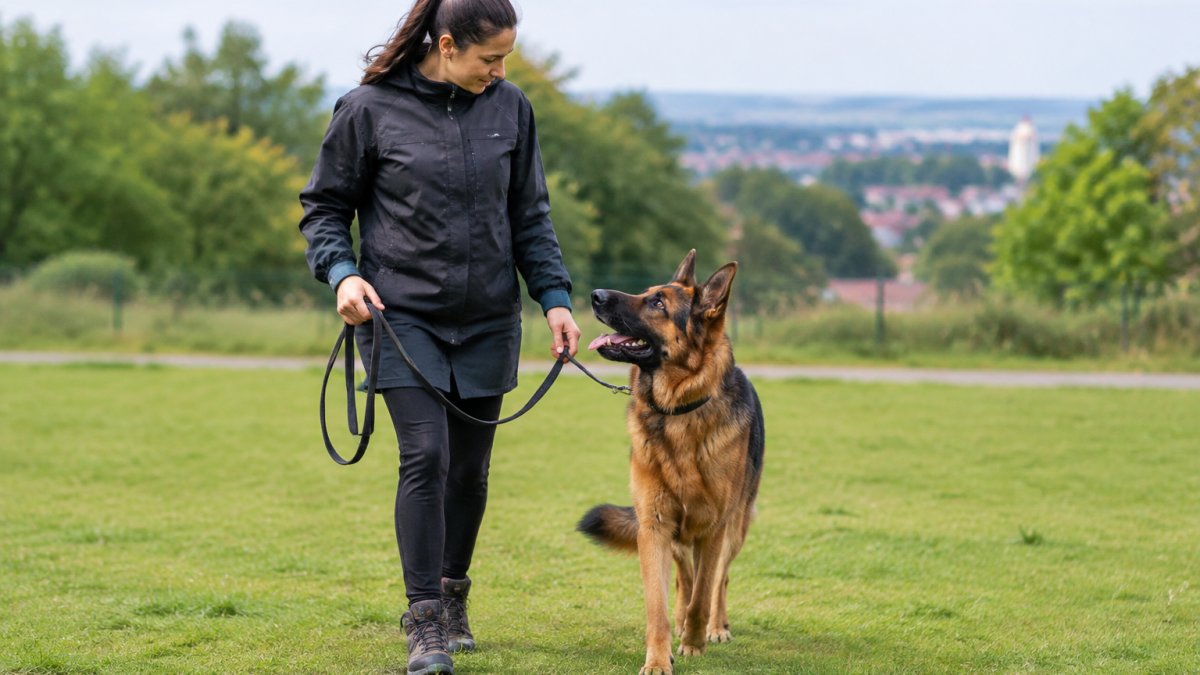
Loose-lead walking forms the backbone of practical training: a dog walking calmly beside you is tuned into you rather than scanning for threats, making reactive moments far easier to manage.
One-to-One Dog Training for Reactive Behaviour
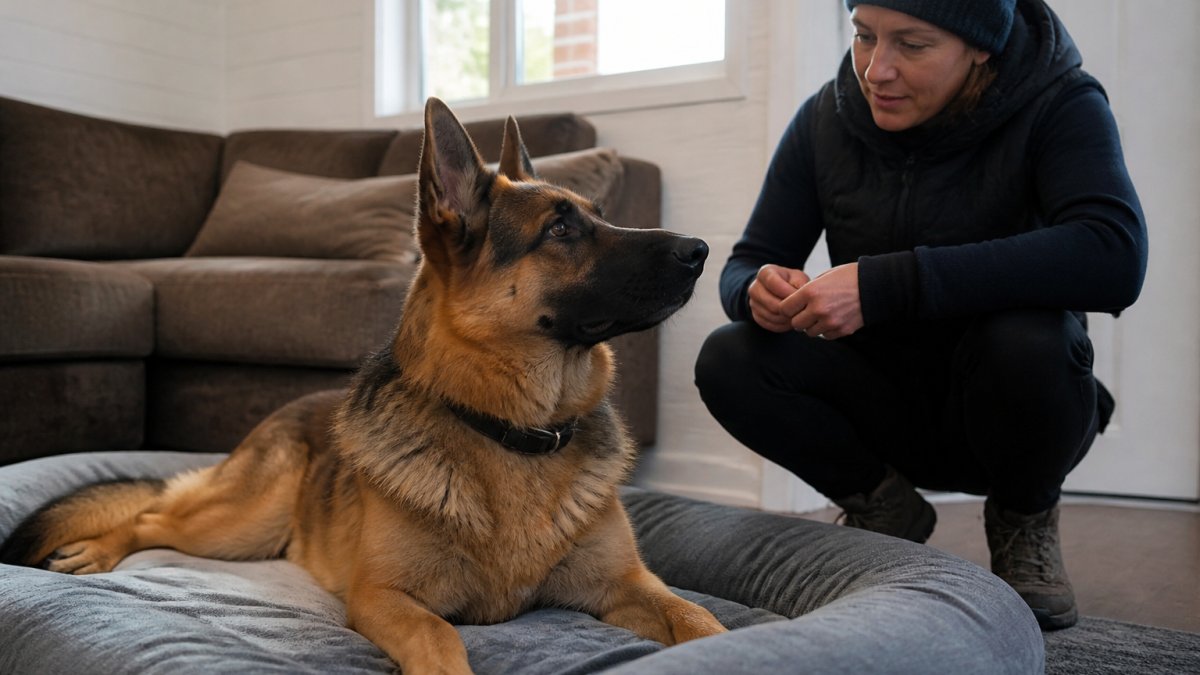
Professional help for reactive dogs makes a genuine difference, especially when other approaches haven't worked. One-to-one training lets your trainer understand your dog's specific triggers, history and personality, then tailor a programme rather than applying generic methods.
At White Wolf Dog Training in Reading and surrounding areas, we work with owners at their wits' end, including people considering rehoming. Our relationship-based approach changes how your dog responds to triggers rather than just suppressing behaviour, teaching you to read body language and redirect before reactivity escalates.
Help for reactive dogs requires patience and consistency, reliable recall training, for instance, doesn't happen overnight. With guidance tailored to your dog, lasting improvement is achievable. If you're struggling, contact us for a free assessment.
If your German Shepherd's reactivity is affecting daily life and previous training hasn't worked, professional support can transform your relationship with your dog. White Wolf Dog Training in Reading and surrounding areas specialises in one-to-one sessions that address the root causes of reactive behaviour, teaching you to read body language and build impulse control through relationship-based methods. Get in touch for a free no-obligation assessment.
Frequently Asked Questions
What is the best way to help a reactive dog?
The most effective approach combines understanding your dog's triggers, teaching impulse control through consistent training, and reading body language early to redirect before reactivity escalates. One-to-one training allows a professional to assess your specific situation and tailor techniques to your dog's needs. Building a strong relationship where your dog looks to you for guidance is fundamental. Most owners benefit from personalised support to learn how to manage triggers in real-world situations.
How can loose-lead walking help a reactive dog?
Loose-lead walking reduces the tension that often triggers reactivity. When your dog walks calmly on a slack lead, they're in a better mental state to respond to your guidance. Practising loose-lead walking builds focus and impulse control, making your dog more likely to disengage from distractions. It also gives you more control in challenging situations, reducing panic and allowing you to manage distance from triggers. This foundational skill supports all other reactive dog training.
How long does it typically take to see improvement in a reactive dog?
Improvement timelines vary depending on how long the reactivity has been present, the dog's age, and consistency with training. Some dogs show noticeable changes within weeks, whilst others require months of steady work. The key is consistent practice between sessions and understanding that you're changing your dog's emotional response, not just teaching commands. One-to-one training helps set realistic expectations based on your individual situation and keeps progress on track.
Book Your FREE no obligation 1:1 assessment
Add whitewolfdogtraining.com as a preferred source on Google →
Comments